




This week, I ran across yet another in a long line of critical articles about the unreliability of Smart Home technology. This one, from the New York Times, stings a little more, as it updates the well-worn path of complaints about home automation technologies, with a still-uncomplimentary perspective on new A.I.-enabled versions. The blunt conclusion: the Smart Home “Still Doesn’t Work.”
See why the Times says that Smart Home is still a ‘Dud, But With A.I.’
On Wednesday, an item caught my eye on the first page of the Business section of the New York Times. It was an article titled “Smart Home Is Still a Dud, But With A.I.,” written by Brian X. Chen, the New York Times lead technology reporter, who is widely respected for his clear-eyed assessment of technology developments. Later in the Business section, the remainder of this story was under a subheading, “Smart Home Gets an A.I. Reboot, and Still Doesn’t Work.” Ouch…
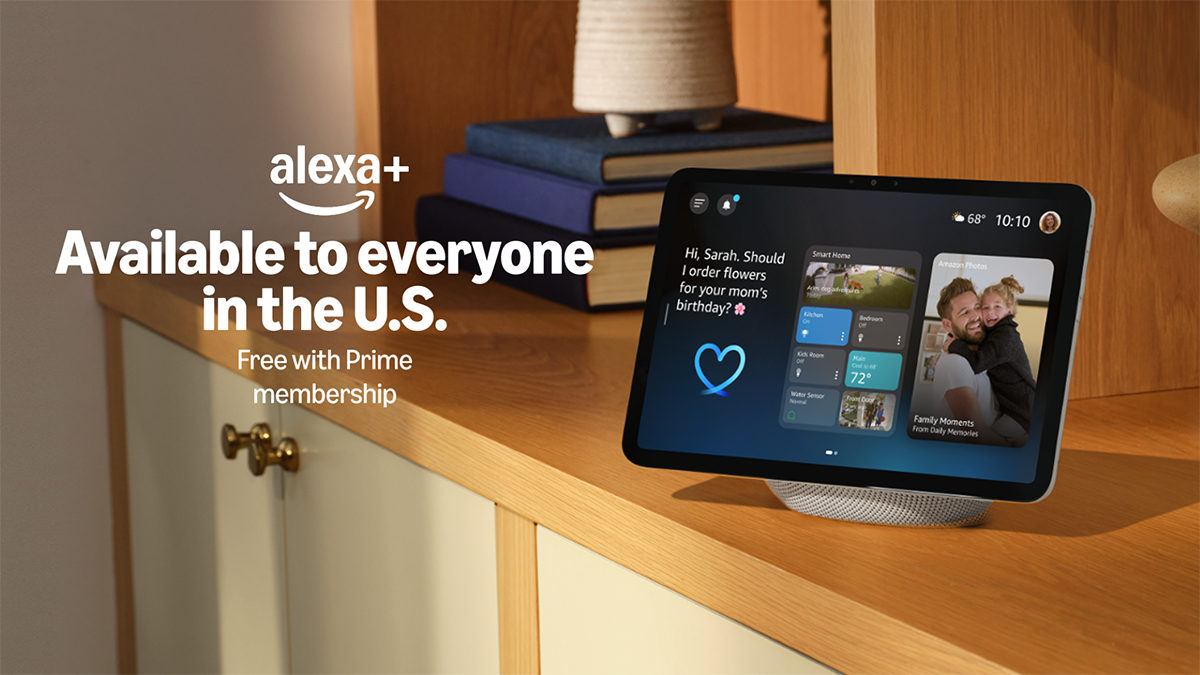
What appears to have motivated Chen to again put home automation solutions to the test was his discovery that both Google and Amazon were making plans to launch new initiatives to drive the scale of their Smart Home businesses, thanks to the arrival of A.I. Apparently, both companies have boasted to Chen that their new A.I. assistants, Gemini and Alexa+, will make “make it easier for families to enjoy living in [a Smart Home]. Chen, who has been testing consumer technology devices for at least a decade, was, to say the least, skeptical.




A Little Background
But first, let’s start with a little background. Chen starts his analysis by recounting the impact of the first wave of the smart home, “…an ecosystem of internet-connected automated appliances, like a refrigerator that orders milk when it’s running low.” Companies, he said, successfully “flooded the market” with plenty of connected devices, such as dishwashers, coffee makers, and smoke detectors.
But, “interest in the idea of an automated household never took off.”
Why does he say that? Chen offers two observations: one is that as you fill up your home with dozens or more of these connected devices, the smart home turns out to be “complex.” Second is that these ornery, dysfunctional systems “created frustrations, like privacy concerns and thermostats that didn’t work once they stopped receiving software updates.”
It Would Be a Mistake to Ignore These Warnings
It would be easy for us to simply write this article off, as it seems more focused on the DIY (do-it-yourself) consumer-grade market. However, when I speak with end-users of more sophisticated, professionally installed systems – systems in the tens or hundreds of thousands of dollars – I hear many complaints that echo those in the NY Times article.
The reality of the integration industry is that any installation is operating at its best on the day the integrator turns the completed installation over to the client. From that day forward, it is only a matter of time when something – perhaps small and vexing…or large and infuriating – will occur. Those integrators who sell service contracts and provide ongoing maintenance can smooth those bumps over, but the number of dealers that provide ongoing maintenance is a subset of all integrators, as many choose not to engage in maintenance matters.
Smart Home Systems ARE Complex and Require Ongoing Maintenance
The fact is, smart home systems are complex, requiring constant maintenance – device drivers require updates, products get sunsetted and need replacing, system software goes through often non-compatible upgrades, etc. There are virtually an infinite number of ways your smart home can break.
And so far, in Chen’s tests, A.I. has not seemed to help with the pain of any of this…at least not for the end-user.
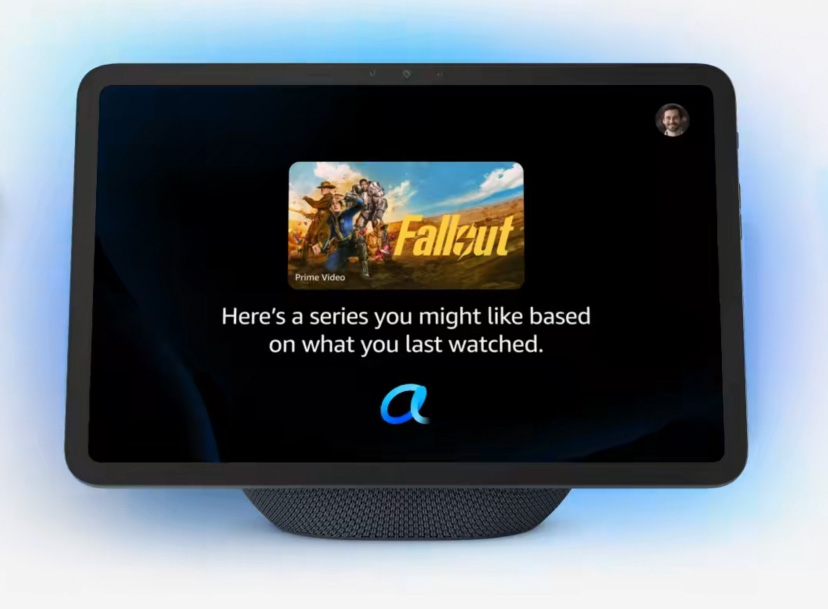
Chen Attempts to Install & Configure a New A.I.-Enabled Smart Home System for Testing
Ironically, Chen noted that in interviews with Google and Amazon executives, they admitted that the original premise of the smart home resonated with “only a small group of power users who had the technological know-how to configure one.” Anish Kattukaran, Google’s head of product (for home devices), told Chen “…his own family never bothered with smart home devices because of their complexity.”
“It takes a lot to do it,” the Google executive told Chen, adding, “This is where I think Gemini can be pretty transformative.”
Amazon is Attempting to Eliminate the Role of the Home IT Administrator
Amazon, apparently, sees it the same way. “One of the things we’re going after with Alexa+ is trying to eliminate the role of home I.T. administrator,” Amazon Vice President (for Alexa) Daniel Rausch told Chen. “It’s frustrating for everyone in the house.”

Both Big Tech brands told NYT’s Chen that A.I. chatbots will make this all easier, not just in terms of operation, but in setup and configuration as well. Chen said they both told him, “…setting up a smart home system will be a breeze.” [emphasis added]
Asked Google and Amazon for Test Systems; Google Bailed Out
So Chen decided to take both systems for a test ride. He ordered a series of smart home items, like light bulbs, motion sensors, and leak detectors, to try to set up with these new A.I. chatbot helpers. Interestingly, Google bowed out of the experiment as they plan to launch Gemini in an upcoming smart speaker model. But Amazon went all in…they may wish they hadn’t done that.
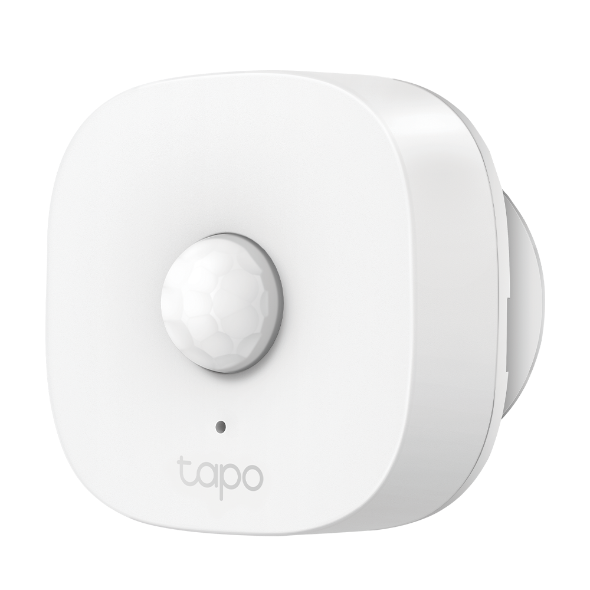
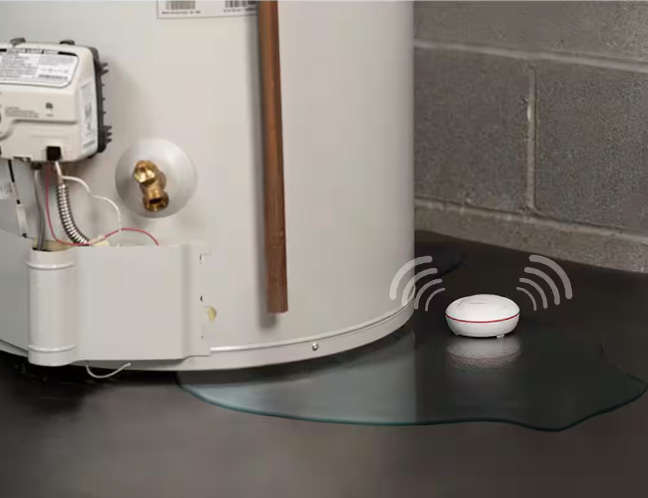
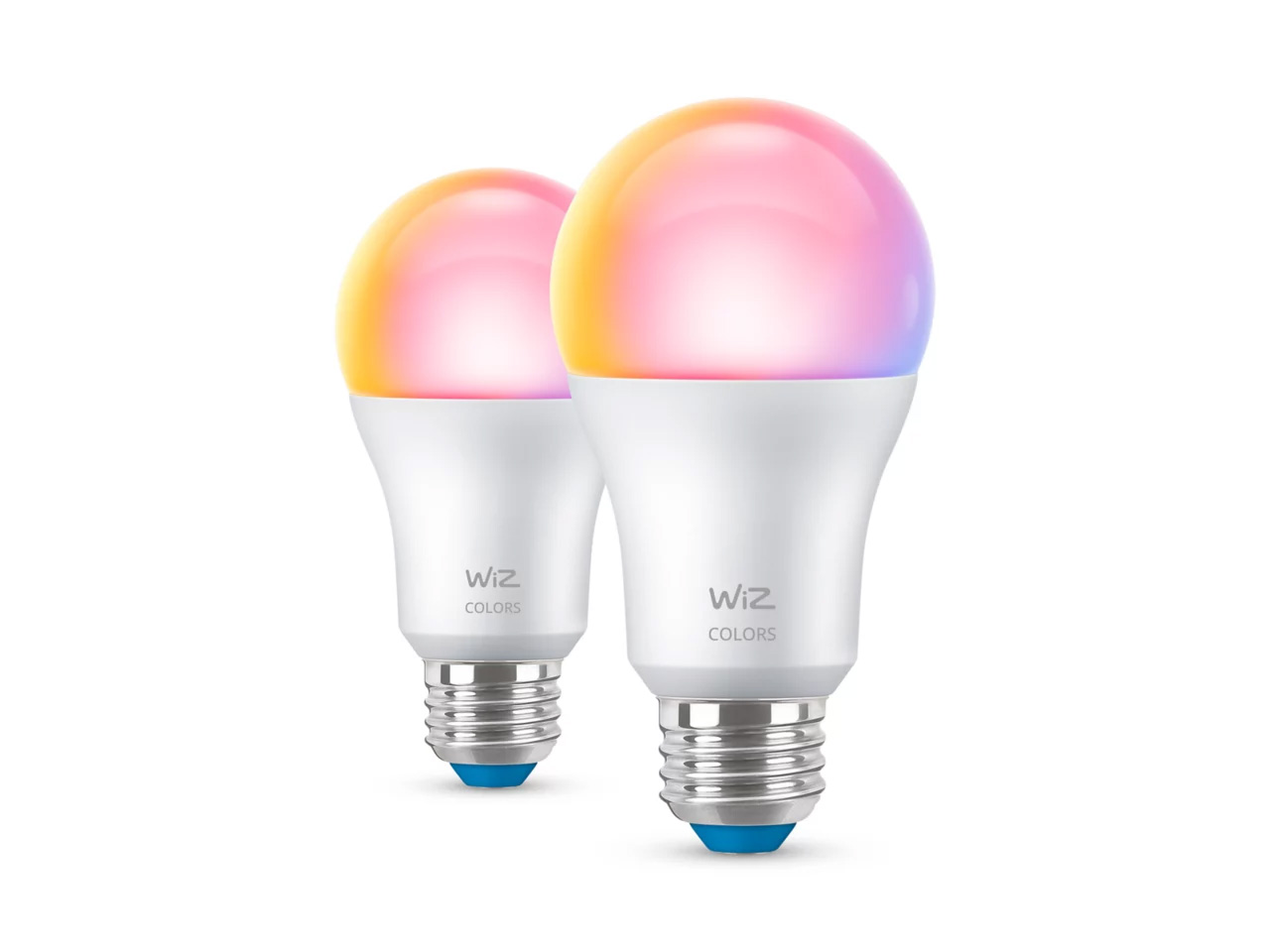
The devices ordered for this experiment included TP-Link motion and door sensors, lightbulbs from WiZ, and a water leak detector from Kidde. Chen chronicles his trials and tribulations trying to get all of this to work, and as you might imagine, it was NOT a “breeze.”
The Reporter’s First Disappointment
His first disappointment: for these devices to work with Alexa+, Chen had to – for each device – launch his browser, fill out forms to open an account with the manufacturer, and then download a dedicated app. At first, after doing that, things seemed to go fine. Implementing basic commands, i.e., telling Alexa to “Turn off the porch light at 10:00 PM,” created a routine to do just that, and it worked fine. But later, when he attempted a slightly more sophisticated voice command involving dimming a light over time…no go. Amazon says it was a bug they are working on.
The theory of A.I.-powered configuration process sounds great. To configure, just “tell” the system with your voice what you’d like it to do and it will configure itself to deliver the routine you desire. However, as Chen discovered, it didn’t work all the time, keeping frustrations always nearby for users trying to set up their systems.
I will link to the article for those of you who wish to read all of the details. But I’ll sum it up like this – in the case of each type of device, Chen either found a basic action that worked, but then attempted a more useful one that didn’t, or felt the interface and interaction was not so convenient or “a breeze.”
The Smart Home Paradox
This is the paradox of the smart home. When first installed and operating 100% correctly, a smart home system is almost magical…delighting the end-user. But when something stops working – a reality that is inevitable in every case – those systems become the client’s worst nightmare.
Chen finished his article by noting that after a decade of writing about home products, he’s come to believe that a “hassle-free” smart home that can be operated and enjoyed by the entire family will not be something we see anytime soon.
He might be right…
Did you like this story? Let me know by clicking the “Like” button below. Have a comment on Chen’s experiment? Leave your comment in the “Leave a Reply” box below this story.
See Chen’s full NYTimes article at this link (gift link to a paywalled article)….



Leave a Reply